

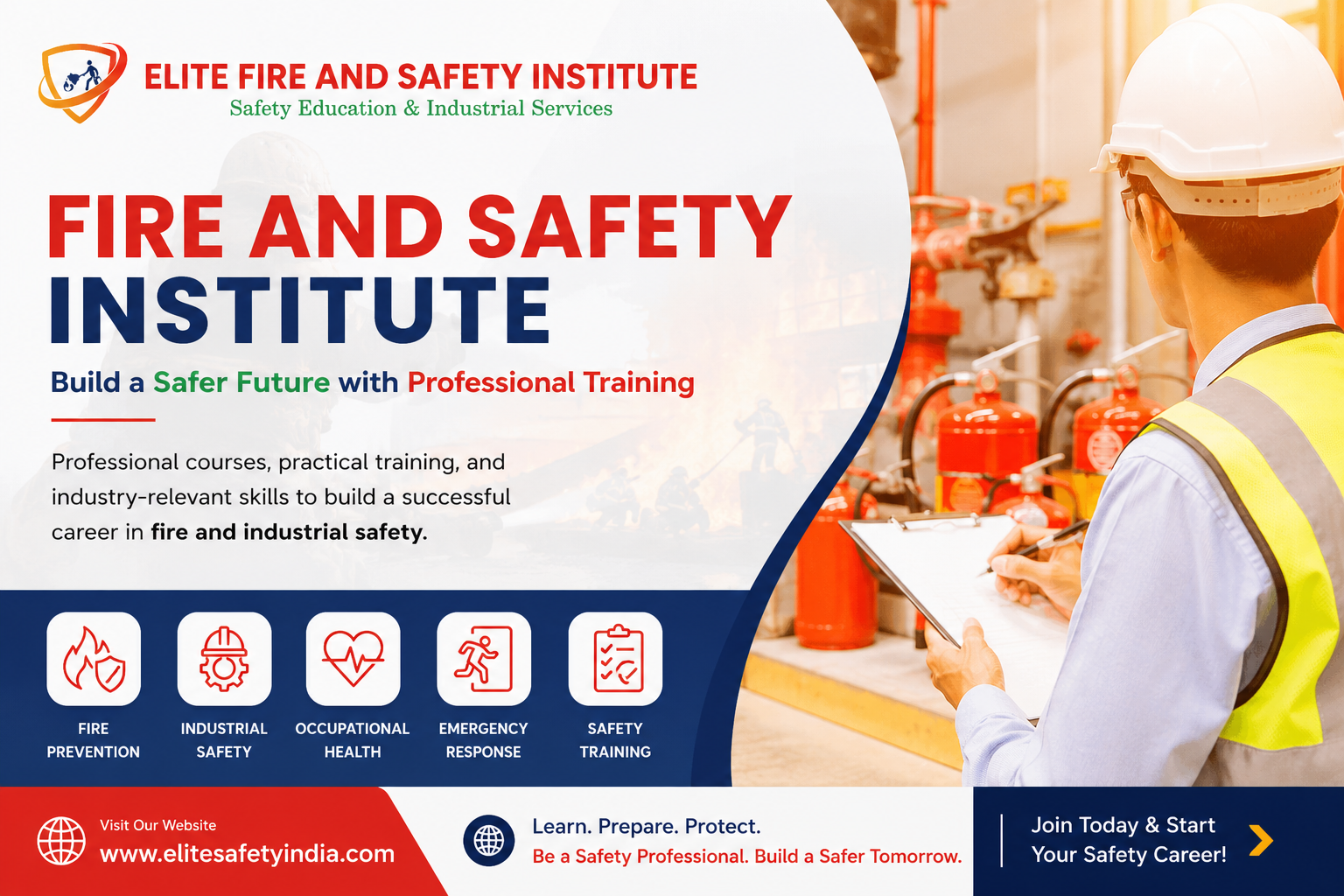
Fire and Safety Institute: Build a Safer Future with Professional Training
Fire and workplace accidents can happen without warning. Proper training and safety awareness can make the difference between preventing an accident and dealing with its consequences. This is why professional Fire and Safety Institutes play an important role in preparing students and working professionals for careers in fire protection, industrial safety, occupational health, and emergency management.
If you are looking for a career-oriented fire and safety course, choosing the right institute can help you develop the practical knowledge and skills required to work confidently in safety-related roles.
What Is a Fire and Safety Institute?
A Fire and Safety Institute is an educational and training organization that provides specialized programs in fire prevention, fire protection, industrial safety, emergency response, occupational health and safety, and related fields.
Students can learn how to identify workplace hazards, prevent fires, respond to emergencies, use safety equipment, and follow established safety procedures.
Depending on the institute and program, students may be able to choose from certificate, diploma, or other professional training programs in areas such as:
- Fire and Safety Management
- Industrial Safety
- Fire Prevention and Protection
- Occupational Health and Safety
- Construction Safety
- Environmental Health and Safety
- Emergency and Disaster Management
Why Choose a Fire and Safety Course?
The demand for trained safety professionals is growing across industries where workplace hazards need to be identified and controlled.
A professional fire and safety course can help students develop knowledge in areas such as:
- Fire prevention and risk assessment
- Firefighting techniques
- Emergency response procedures
- Industrial safety management
- Occupational health and safety
- Personal protective equipment (PPE)
- Workplace hazard identification
- Safety inspections and audits
- Emergency evacuation procedures
- Basic first aid and emergency care
- Fire safety equipment and systems
The exact subjects and practical training depend on the course and institute.
Career Opportunities After Fire and Safety Training
One of the main reasons students choose fire and safety courses is the wide range of industries that require safety professionals.
After completing an appropriate course, career opportunities may include roles such as:
Fire and Safety Officer
Fire and Safety Officers help organizations identify fire hazards, implement safety procedures, conduct inspections, and support emergency preparedness.
Safety Officer
Safety Officers monitor workplace conditions, identify hazards, support safety programs, and help organizations maintain safe working environments.
Industrial Safety Officer
Industrial Safety Officers work in factories, manufacturing facilities, warehouses, and other industrial environments to reduce workplace risks and promote safe operating practices.
Fire Protection Technician
Fire protection professionals may work with fire detection, alarm, suppression, and other fire protection systems, depending on their qualifications and training.
Health and Safety Coordinator
Health and Safety Coordinators support workplace safety programs, training, inspections, documentation, and compliance activities.
Industries That Need Fire and Safety Professionals
Fire and safety professionals can find opportunities across a wide range of sectors, including:
- Manufacturing industries
- Construction companies
- Oil and gas
- Petrochemical industries
- Hospitals
- Hotels and hospitality
- Warehouses and logistics
- Power plants
- Infrastructure projects
- Commercial buildings
- Educational institutions
- Mining and heavy industries
The specific qualifications required vary by employer, job role, location, and industry.
What Will You Learn at a Fire and Safety Institute?
A quality fire and safety training institute should focus on both theoretical knowledge and practical skills.
Fire and Safety: Protecting Lives, Property, and Our Future
Fire can happen anywhere and at any time. A small spark, an electrical fault, a gas leak, or simple carelessness can quickly turn into a dangerous fire. Knowing how to prevent fires and respond correctly during an emergency can save lives and reduce property damage.
Understanding Fire Safety
Fire safety is not only the responsibility of firefighters or safety professionals. It is everyone’s responsibility—at home, at work, in schools, factories, shops, and public places.
The three basic principles of fire safety are:
- Prevent fires before they start
- Detect fires as early as possible
- Respond quickly and safely during an emergency
Common Causes of Fire
Some of the most common causes of fires include:
- Electrical short circuits and overloaded sockets
- Unattended cooking
- Gas leaks
- Cigarettes and open flames
- Improper storage of flammable materials
- Faulty electrical equipment
- Candles and lamps left unattended
- Poor housekeeping and blocked emergency exits
Understanding these risks is the first step toward preventing a fire.
How to Prevent Fires
Simple precautions can make a major difference.
- Take Care of Electrical Equipment
Avoid overloading electrical sockets. Replace damaged wires, plugs, and appliances immediately. Electrical systems should be inspected and maintained by qualified professionals.
- Practice Safe Cooking
Never leave cooking unattended. Keep flammable materials such as cloth, paper, and plastic away from stoves and other heat sources. Make sure cooking appliances are switched off when not in use.
- Store Flammable Materials Safely
Petrol, chemicals, LPG cylinders, paints, and other combustible materials should be stored according to applicable safety requirements and away from ignition sources.
- Keep Exits Clear
Emergency exits, stairways, corridors, and fire escape routes must never be blocked. Everyone should know at least one safe evacuation route from their home or workplace.
- Install and Maintain Fire Detection Equipment
Smoke detectors and fire alarms provide an early warning that can give people valuable time to escape. Fire extinguishers and other fire-protection equipment should also be inspected and maintained regularly.
What to Do If a Fire Occurs
If you discover a fire, stay calm and act quickly.
- Raise the alarm and alert people nearby.
- Call the local emergency fire service.
- Evacuate using the safest available exit.
- Never use an elevator during a fire.
- Stay low if there is smoke.
- Close doors behind you when leaving, if it is safe to do so.
- Never return to a burning building for personal belongings.
- If your clothes catch fire, stop, drop, and roll.
Only attempt to use a fire extinguisher if you have been trained, the fire is small and contained, and you have a clear escape route behind you. Otherwise, evacuate immediately.
Fire Safety in the Workplace
Businesses should have a comprehensive fire-safety program. This should include:
- Regular fire-risk assessments
- Emergency evacuation plans
- Fire drills
- Employee fire-safety training
- Clearly marked exits and emergency routes
- Properly maintained extinguishers and fire-protection systems
- Safe storage of combustible and hazardous materials
- Emergency contact information
Fire drills are particularly important because they help employees understand what to do instead of having to make decisions for the first time during an actual emergency.
The Importance of Fire Safety Training
Fire safety training creates awareness and prepares people to respond appropriately. Employees should understand how to identify hazards, raise an alarm, evacuate safely, and report unsafe conditions.
Training should be practical, regular, and appropriate to the risks present in the particular workplace.
Conclusion
Fire prevention begins with awareness, responsibility, and preparation. A few simple safety measures can prevent a small hazard from becoming a major disaster.
Remember: prevention is better than response, and prepar
Branches & Contact:
Madurai:
+91 93450 46567 +91 8610444650
Plot No.701, Karpaga Nagar 7th St, K.Pudur, Madurai – 625007.
Coimbatore:
+91 8248792657
1A, Kasthuri Bai Street, Old Sathy Rd, Ganapathy, Coimbatore – 641006.